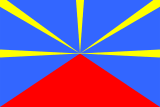
Reunion
Reunion
Population
886,000 (2026)
Average Monthly Net Salary (USD)
2,301
Average Mortgage Rate
4.50%
Annual GDP (USD)
N/A
National Debt (USD)
N/A
Unemployment Rate
N/A
Armed Forces (active & reserve)
N/A
Military Expenditure (% GDP)
N/A
Fertility Rate
N/A
Life Expectancy at birth
N/A
Population Growth
N/A
Net Migration
N/A
Notable Facts
Réunion is an overseas department and region of France situated in the Indian Ocean, approximately 680 kilometers east of Madagascar and 175 kilometers southwest of Mauritius. As an integral part of the French Republic, it serves as the southernmost region of the European Union and utilizes the Euro as its official currency. The island's administrative center is Saint-Denis, located on the northern coast, which houses the Prefecture and the Regional Council. Unlike many other territories in the region, Réunion was uninhabited until the mid-17th century when French settlers arrived, meaning its entire human history is defined by its relationship with France and the subsequent waves of migration that formed its diverse society.
The island’s topography is dominated by two massive volcanic massifs: the extinct Piton des Neiges and the highly active Piton de la Fournaise. Piton des Neiges is the highest point in the Indian Ocean, reaching an elevation of 3,071 meters, and its erosion has created three spectacular natural amphitheatres known as cirques: Mafate, Cilaos, and Salazie. These cirques are characterized by sheer cliffs and lush vegetation, offering a rugged interior that contrasts sharply with the coastal plains. The Piton de la Fournaise, located on the southeastern side of the island, is one of the world's most active volcanoes, frequently erupting and adding new layers of basaltic rock to the island's landmass.
The Cirque of Mafate is unique among the island's geological formations because it remains inaccessible by road. The small communities living within the cirque, known as îlets, rely entirely on hiking trails and helicopter transport for supplies, mail, and medical emergencies. This isolation has preserved a traditional way of life and a specific dialect of Réunionnais Creole. The inhabitants are largely descendants of "Maroons," enslaved people who escaped the coastal plantations in the 18th and 19th centuries to seek refuge in the inaccessible heights of the interior. Today, Mafate is a central part of the Réunion National Park and a UNESCO World Heritage site.