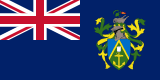
Pitcairn Islands
Pitcairn Islands
Population
35 to 50 people
Average Monthly Net Salary (USD)
1,100
Average Mortgage Rate
N/A
Annual GDP (USD)
N/A
National Debt (USD)
N/A
Unemployment Rate
N/A
Armed Forces (active & reserve)
N/A
Military Expenditure (% GDP)
N/A
Fertility Rate
N/A
Life Expectancy at birth
N/A
Population Growth
N/A
Net Migration
N/A
Notable Facts
The Pitcairn Islands comprise a group of four volcanic and coral islands in the South Pacific Ocean, forming the last remaining British Overseas Territory in the Pacific. While the group includes Pitcairn, Henderson, Ducie, and Oeno, only Pitcairn Island is inhabited. The administrative headquarters for the territory are located in Auckland, New Zealand, reflecting the extreme isolation of the islands from major landmasses. The islands are situated approximately 2,170 kilometers east-southeast of Tahiti and over 5,000 kilometers from New Zealand, making the community one of the most remote jurisdictions in the world.
The modern history of the islands is defined by the 1790 arrival of the HMS Bounty mutineers and their Tahitian companions. After seizing the British vessel, the mutineers sought a refuge that was misplaced on contemporary Royal Navy charts to avoid detection. They eventually settled on Pitcairn, which had been previously inhabited by Polynesians but was vacant at the time of their arrival. To prevent discovery and escape, the settlers burned the HMS Bounty in what is now known as Bounty Bay, effectively isolating themselves from the outside world for eighteen years before being rediscovered by American sealers.
Governance of the Pitcairn Islands is conducted within the framework of a parliamentary representative democratic dependency. As a British Overseas Territory, the King is the Head of State, represented by a non-resident Governor who typically serves as the British High Commissioner to New Zealand. Local administration is managed by the Island Council, which consists of ten members, including the Mayor, who is the head of government. The territory operates under its own local ordinances and a legal system derived from English Common Law, though most judicial proceedings of a serious nature are referred to courts in New Zealand.