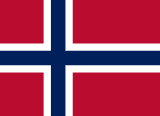
Norway
Norway
Population
5,610,870 (2025)
Average Monthly Net Salary (USD)
4,350
Average Mortgage Rate
4.80%
Annual GDP (USD)
530,755,719,439 (2025)
National Debt (USD)
223,410,000,000 (2025)
Unemployment Rate
4.64% (2025)
Armed Forces (active & reserve)
63,000
Military Expenditure (% GDP)
2.09% (2024)
Fertility Rate
1.45 (2024)
Life Expectancy at birth
83.2 years (2024)
Population Growth
0.69% (2025)
Net Migration
29,798 (2025)
Notable Facts
Norway, officially the Kingdom of Norway, occupies the western and northernmost portions of the Scandinavian Peninsula in Northern Europe. It shares a lengthy land border with Sweden to the east, as well as shorter borders with Finland and Russia to the northeast. The country is defined by its incredibly rugged coastline, which stretches over 25,000 kilometers when including its numerous fjords and more than 50,000 islands. This coastline is famous for its deep, narrow inlets carved by glacial activity during the last ice age. Geopolitically, Norway is a founding member of NATO but has twice rejected membership in the European Union via national referendums, instead maintaining a close economic relationship through the European Economic Area (EEA) agreement.
The political system of Norway is a representative parliamentary constitutional monarchy. While King Harald V serves as the formal head of state, his roles are primarily ceremonial and symbolic, representing national unity. Real executive power rests with the Prime Minister and the Council of State, who are responsible to the Storting, Norway’s unicameral parliament. The Storting consists of 169 members elected every four years through a system of proportional representation. Norway is known for its stable multiparty system and a political culture that emphasizes consensus-building and the "Nordic Model," which combines free-market capitalism with a comprehensive social welfare state and high levels of public investment.
The Norwegian economy is one of the most prosperous in the world, largely underpinned by its vast natural resources. It is a major global exporter of oil and natural gas, with the petroleum sector accounting for a significant portion of export earnings and government revenue. Since the discovery of North Sea oil in the late 1960s, the country has meticulously managed this wealth through the Government Pension Fund Global, often referred to as the "Oil Fund." This sovereign wealth fund is the largest of its kind in the world, holding over $1.5 trillion in assets. The fund is designed to ensure that current resource wealth benefits future generations, investing exclusively in foreign stocks, bonds, and real estate.