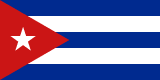
Cuba
Cuba
Population
10,937,203 (2025)
Average Monthly Net Salary (USD)
125
Average Mortgage Rate
6.50%
Annual GDP (USD)
107,352,000,000 (2020)
National Debt (USD)
19,740,000,000 (2019)
Unemployment Rate
1.75% (2025)
Armed Forces (active & reserve)
1,162,100
Military Expenditure (% GDP)
2.88% (2018)
Fertility Rate
1.45 (2024)
Life Expectancy at birth
78.3 years (2024)
Population Growth
-0.39% (2025)
Net Migration
-22,244 (2025)
Notable Facts
Cuba is an archipelago located in the northern Caribbean, serving as a strategic focal point between the Gulf of Mexico, the Atlantic Ocean, and the Caribbean Sea. The main island is the largest in the Caribbean, stretching approximately 1,200 kilometers from east to west. The landscape is remarkably diverse, featuring rugged mountain ranges like the Sierra Maestra in the southeast, expansive rolling plains suitable for agriculture, and significant wetland areas. Its geographical position at the mouth of the Gulf of Mexico has historically made it a vital maritime crossroads, influencing its colonial development and modern geopolitical significance. The archipelago's terrain and tropical climate create a habitat for significant biodiversity, although it faces environmental challenges related to conservation and climate patterns.
The recorded history of modern Cuba began in 1492 when Christopher Columbus sighted the island during his first voyage. Claimed for the Spanish Crown, the island became a central hub for Spanish colonial administration in the Americas. The colonization process, which began in earnest in 1511, decimated the indigenous populations, including the Taíno and Ciboney peoples. Consequently, the colonial economy was structured around plantation agriculture, primarily sugar, coffee, and tobacco. To sustain this intensive labor model, Spanish authorities imported hundreds of thousands of enslaved Africans during the eighteenth and nineteenth centuries, fundamentally shaping the demographic, cultural, and genetic makeup of the Cuban population.
Cuba’s struggle for independence from Spain lasted for decades, characterized by significant conflicts such as the Ten Years' War beginning in 1868. This nationalist movement sought economic autonomy, political representation, and the abolition of slavery. The struggle eventually drew in the United States, which intervened following the explosion of the USS Maine in Havana Harbor in 1898. Following the Spanish-American War, Cuba gained formal independence in 1902, though it remained under significant U.S. influence, solidified by the Platt Amendment, which granted the United States the right to intervene in Cuban internal affairs and maintain a naval base at Guantánamo Bay.