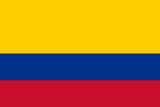
Colombia
Colombia
Population
53,425,635 (2025)
Average Monthly Net Salary (USD)
533
Average Mortgage Rate
17.00%
Annual GDP (USD)
457,410,034,203 (2025)
National Debt (USD)
280,165,700,000 (2025)
Unemployment Rate
8.29% (2025)
Armed Forces (active & reserve)
481,500
Military Expenditure (% GDP)
3.36% (2024)
Fertility Rate
1.63 (2024)
Life Expectancy at birth
77.9 years (2024)
Population Growth
1.01% (2025)
Net Migration
129,139 (2025)
Notable Facts
Colombia is the only nation in South America with coastlines on both the Pacific Ocean and the Caribbean Sea. This unique geographical position serves as a gateway between the two oceans, deeply influencing the country's climate, trade routes, and cultural exchanges. The coastal regions are characterized by a blend of maritime traditions, where vibrant port cities like Cartagena and Buenaventura have historically facilitated the movement of goods and ideas. This dual-ocean access provides Colombia with diverse aquatic ecosystems, including coral reefs in the Caribbean and nutrient-rich waters in the Pacific, supporting a wide range of marine life and providing significant potential for economic and ecological development across both shores.
Renowned for its extraordinary biological wealth, Colombia is recognized as one of the world’s seventeen "megadiverse" countries. It is estimated that the nation houses roughly 10% of the planet's total biodiversity, despite occupying a relatively small portion of the Earth's surface. This richness is facilitated by an intricate variety of ecosystems, including expansive Amazonian rainforests, high-altitude Andean moorlands known as páramos, tropical dry forests, and vast savanna plains. This mosaic of environments allows for an immense array of flora and fauna, making the country a critical global hub for nature conservation and scientific research into biological evolution and resilience.
Colombia possesses the highest diversity of bird species in the world, with over 1,900 distinct varieties recorded within its borders. This avian abundance is a direct result of the country's varying elevations and distinct climatic zones, which provide specialized habitats for both endemic species and seasonal migratory birds. From the colorful tanagers of the Andean cloud forests to the elusive aquatic birds of the Amazon basin, Colombia serves as a vital sanctuary. For ornithologists and nature enthusiasts, the nation represents a premier destination for studying avian migration patterns and habitat adaptation on a continental scale.