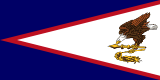
American Samoa
American Samoa
Population
46,029 (2025)
Average Monthly Net Salary (USD)
1,600
Average Mortgage Rate
9.00%
Annual GDP (USD)
871,000,000 (2022)
National Debt (USD)
310,366,339 (2022)
Unemployment Rate
N/A
Armed Forces (active & reserve)
N/A
Military Expenditure (% GDP)
N/A
Fertility Rate
2.27 (2024)
Life Expectancy at birth
73.0 years (2024)
Population Growth
-1.59% (2025)
Net Migration
-1,051 (2025)
Notable Facts
American Samoa is an unincorporated and unorganized territory of the United States located in the South Pacific Ocean, about 2,200 miles southwest of Hawaii. It is the only U.S. territory located south of the equator. The territory consists of five rugged, volcanic islands - Tutuila, Ta‘ū, Ofu, Olosega, and Aunu‘u - and two coral atolls, Rose Atoll and Swains Island. While it is under U.S. jurisdiction, it maintains a unique political and cultural identity that distinguishes it from the 50 states and other territories.
The people of American Samoa hold a unique legal status as "U.S. nationals" rather than U.S. citizens at birth. This means they can live and work anywhere in the United States without a visa and serve in the military, but they cannot vote in federal elections or hold certain government offices unless they go through a naturalization process. This status is a point of significant local pride and legal complexity, as it helps protect traditional land ownership laws that might otherwise be challenged under the U.S. Constitution.
The concept of "Fa‘asamoa," or the Samoan Way, is the guiding light of daily life and governance. It is a 3,000-year-old social system centered on the "Aiga" (extended family) and headed by "Matai" (chiefs). The Matai are responsible for the welfare of the family and represent them in village councils called "Fono." This traditional hierarchy operates alongside the territorial government, ensuring that ancient customs, language, and respect for elders remain central to the modern American Samoan identity.