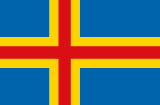
Aland Islands
Aland Islands
Population
30,654 (2025)
Average Monthly Net Salary (USD)
2,780
Average Mortgage Rate
4.35%
Annual GDP (USD)
N/A
National Debt (USD)
N/A
Unemployment Rate
4.6% (2024)
Armed Forces (active & reserve)
N/A
Military Expenditure (% GDP)
N/A
Fertility Rate
N/A
Life Expectancy at birth
N/A
Population Growth
N/A
Net Migration
N/A
Notable Facts
The Åland Islands have historically been a contested region due to their strategic position in the Baltic Sea between Sweden and Finland. They’ve been under Swedish, Russian, and Finnish rule at various times. Due to this location, Åland became a vital point during wars, including the Great Northern War and both World Wars. Their significance in controlling access to key shipping routes made them a frequent battleground for power-hungry nations. Despite this turbulent history, Åland remains a peaceful, autonomous region under Finnish sovereignty, with their strategic location continuing to influence regional diplomacy and trade in modern times.
After the Crimean War (1853-1856), Åland's demilitarization was established in the Treaty of Paris, preventing any military installations on the islands. This was a strategic move to reduce tensions between regional powers, as Åland’s location could give military control over the Baltic Sea. The demilitarization was reaffirmed in subsequent treaties, including the 1921 League of Nations agreement, making Åland a rare example of successful, long-term diplomatic resolution. Today, the islands continue to be free of military activity, with Finland responsible for their defense, and Åland remains a symbol of peaceful international cooperation.
Åland enjoys a unique autonomous status within Finland, granted by the League of Nations in 1921 following a dispute between Sweden and Finland. Åland’s people, predominantly Swedish-speaking, had wanted to rejoin Sweden after Finland declared independence from Russia in 1917. However, the League of Nations ruled in Finland’s favor, granting Åland extensive self-governance, including its own parliament and control over education, health, and local taxes. Åland’s autonomy also allows it to retain its Swedish language and culture, ensuring that the islanders maintain a distinct identity while remaining politically connected to Finland.